


22 May Governance for sustainable forestry
The Challenge
Mexico is home to one of the most sophisticated community forest management systems in the world — and yet the country barely builds with wood. Millions of hectares of productive forest exist alongside a construction sector that often imports standardized lumber from the US and others because domestic supply chains are fragmented, under-documented, and structurally disconnected. The idea of fully ethical, traceable domestic wood feels, to many, like an impossible task.
La Liga de la Madera formed to take that challenge on: a coalition of architects, engineers, producers, researchers, and designers who believe Mexico’s forests could be central to the country’s climate future — if the right connections are made, and the hard questions aren’t avoided.
Servicios: Estrategia, Facilitación, Recaudación de fondos, Diseño de programas
Sectores: Agua, Clima, Cohesión social
2024 – Presente
NUESTRO ENFOQUE
Aplicamos el pensamiento sistémico en cada capa de este trabajo. A lo largo de meses de colaboración con Isla Urbana, instituciones gubernamentales como el Instituto Mexicano de Tecnología del Agua (IMTA) y aliados comunitarios, articulamos diseño técnico innovador, coordinación política y un profundo entendimiento cultural.
No solo redactamos una propuesta: co-diseñamos una visión. Una visión que conecta la captación de agua de lluvia con la regeneración forestal, la equidad de género con el empleo local y el conocimiento indígena con la ciencia climática. Navegamos dinámicas institucionales, alineamos a actores diversos y tradujimos 15 años de trabajo comunitario en un marco que los financiadores internacionales pudieran reconocer y en el que pudieran confiar.
Nuestro rol continúa más allá de la presentación de la propuesta. Actualmente seguimos acompañando el pre-lanzamiento del programa, brindando coordinación estratégica e integración sistémica.
EL IMPACTO
Primer financiamiento del Fondo de Adaptación otorgado a México: USD $8 millones.
El programa aprobado permitirá:
- 1,000 sistemas de captación de agua de lluvia, brindando agua limpia a 5,100 personas
- 20 a 22 millones de litros de agua captados anualmente
- Más de 800 hectáreas de bosque regeneradas para fortalecer la resiliencia climática
- 44 empleos locales creados, priorizando a mujeres Wixárika
- Más de 720,000 horas ahorradas al año en acarreo de agua—más de medio millón de esas horas por mujeres
- Un modelo replicable de soberanía hídrica indígena frente al cambio climático
LO QUE APRENDIMOS
- El agua nunca es solo agua: es salud, equidad de género, oportunidad económica y dignidad.
- La adaptación climática funciona cuando honra tanto la excelencia técnica como la verdad cultural.
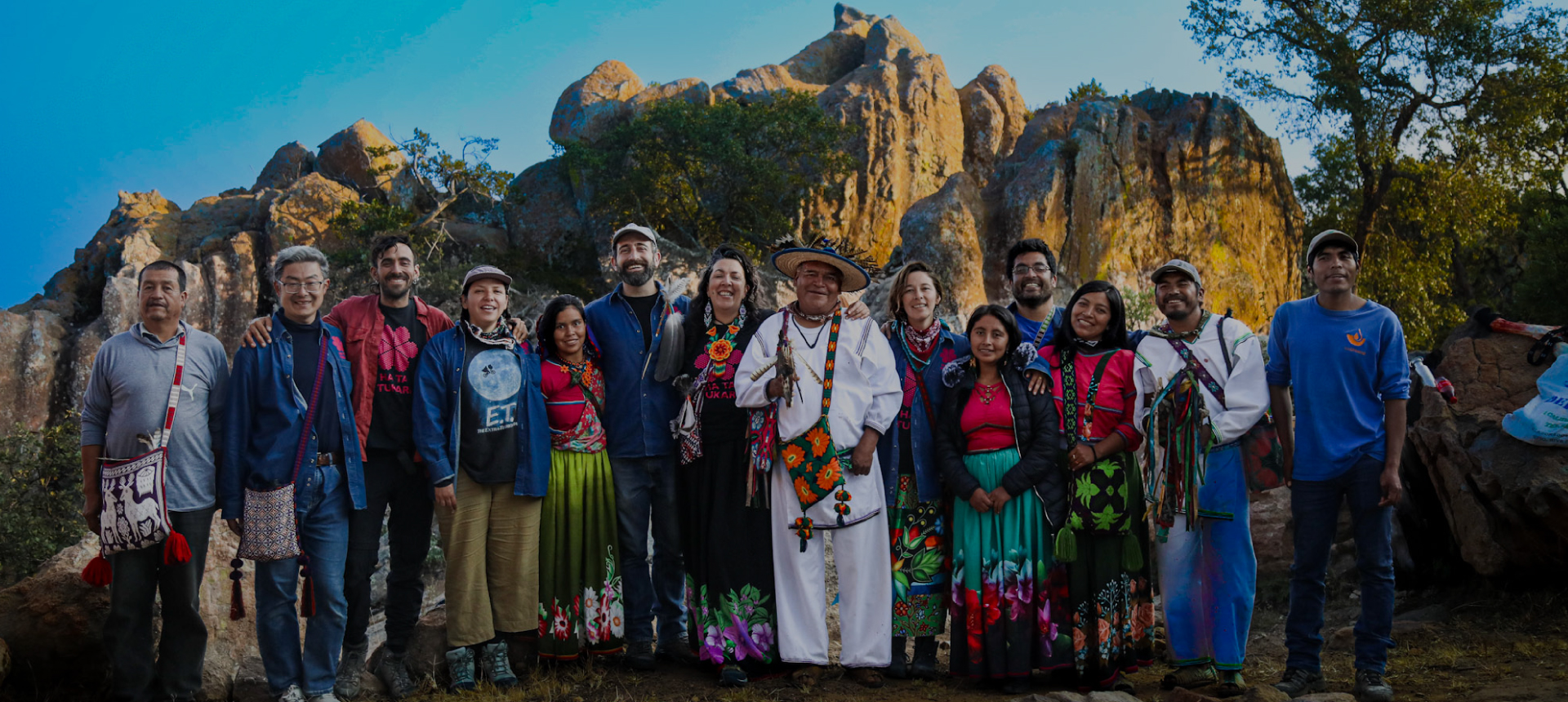
- Este es el ejemplo más hermoso de participación y colaboración comunitaria que hemos visto: Ha Ta Tukari es un programa apropiado e implementado por la comunidad Wixárika.
- Las alianzas profundas toman tiempo, pero generan programas que las comunidades realmente sienten como propios.
- Cuando los equipos locales reciben recursos y formación adecuados, se convierten en el motor del cambio duradero.
- Incluso el diseño más sólido necesita aliados institucionales para escalar, y construir esa colaboración suele ser uno de los mayores retos de este tipo de programas.
- Paciencia, paciencia, paciencia.
Este trabajo forma parte de una colaboración más amplia con la increíble organización de Isla Urbana, con quienes también hemos trabajado en otras iniciativas.
CITA DEL CLIENTE:
“Nos ayudaron a ver una marca mucho más grande, atractiva y emocionante
de lo que hubiéramos podido crear por nuestra cuenta.”
— Echo Collins-Egan, ex Chief Impact Officer en RE!NSTITUTE
Gallery:
Empecemos una conversación.
¿Listo para trabajar?


Our Approach
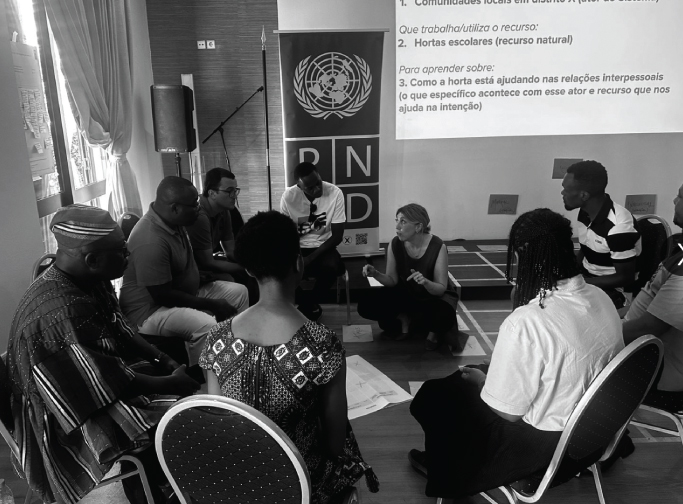
Astronomos joined La Liga at a pivotal moment: the group had done the early exploration, traveled into the field, and built real trust — but hadn’t yet answered the tough questions around how to organise and what to prioritise.
We designed and are facilitating a participatory governance process to help the Liga work through these questions collectively. That meant deep listening first — conversations with each member to surface what they actually believed, feared, and hoped for — before any workshops or frameworks. What emerged was a nuanced picture: strong alignment on values, real tension on structure, and a shared conviction that the Liga’s value lives in the knowledge it generates and the connections it can catalyze across the whole chain, from forest to finished chair or building.
From there, we are co-designing a governance model, shared commitments, and a strategy for 2026 — using live facilitation tools, collective mapping, and systemic thinking — built to hold up under the pressures of a complex subject and a group of talented and very busy people.
What We’re Learning
The real bottleneck in Mexico’s wood sector isn’t the forest — it’s the system. Producers, processors, architects, and regulators are each doing meaningful work, but rarely in coordination. Good policy, serious research, community empowerment, training the next generation of engineers and architects, understanding regional vernaculars and layered histories, connecting certification to quality of processing and handling— all of it is needed, simultaneously, to make sustainable domestic wood a genuine option for the Mexican construction and design industry.
What La Liga is testing is whether a small, high-trust coalition of people who genuinely understand the chain can act as the connective layer that’s been missing — a platform for shared intelligence and collective action. It’s an experiment worth watching.
Let’s start a conversation.
Ready to work?
Ciudad de México
+52 55 22 32 47 58
Astronomos 19
11800 Ciudad de México
Londres
+44 20 7123 4567
One Prince of Whales Road
London NW53LW
Contact: info@astronomos.studio